
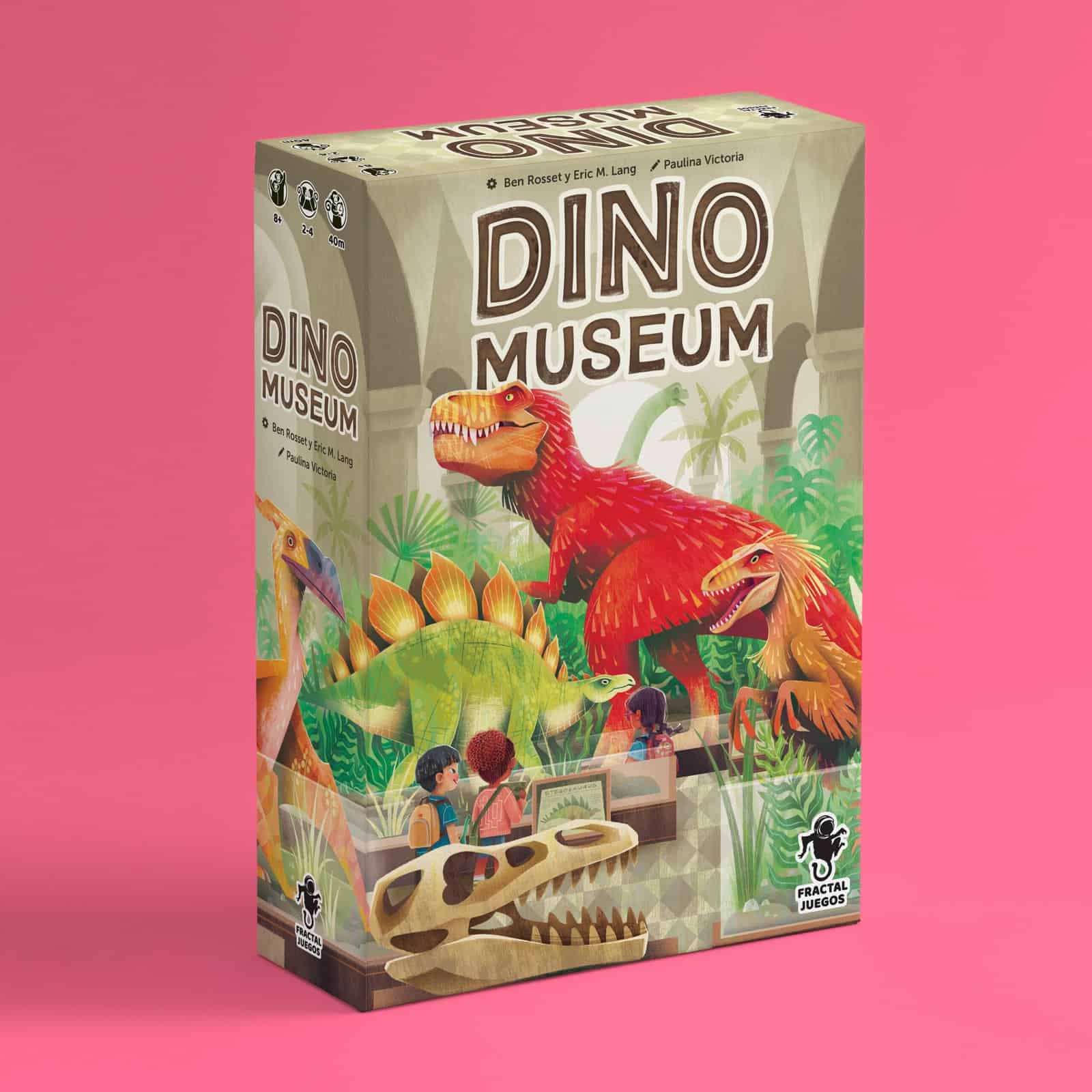
There’s something special about dinosaurs. No matter your age, seeing a Tyrannosaurus rex, a Triceratops, or a gigantic Brontosaurus sparks a unique sense of wonder—a mix of fascination, mystery, and adventure that never really goes away. Dino Museum, our new Gateway game captures that feeling perfectly, turning it into
a game where each player runs their own museum and competes to create the most impressive exhibition.
This the very first turn, the game does a great job of making you feel like you’re uncovering rare fossils, funding excavations, and building a collection designed to attract crowds of eager visitors. Beneath its exciting theme lies a strategic, rewarding, and highly engaging gameplay experience.
A Race to Create the Best Exhibition
In Dino Museum, 2 to 4 players compete over five rounds to earn the most victory points. You’ll score points by collecting dinosaurs, completing research projects, analyzing fossils, and satisfying
museum visitors.
Each round is a chance to secure valuable specimens and discoveries before your opponents do. At the heart of the game is a clever colored-bone resource system, where bones are used to trigg
er actions on each player’s personal board.
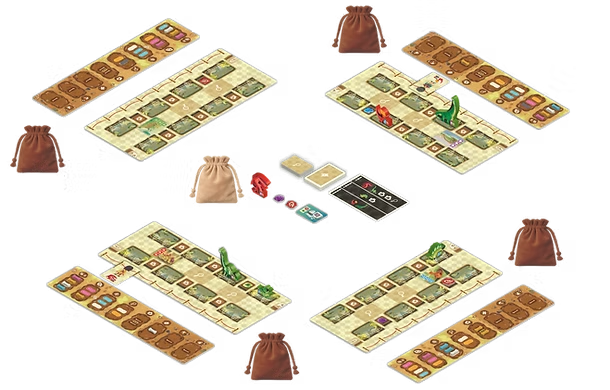
The core mechanic is intuitive: on your turn, you draw a random bone from your bag and place it strategically on your research board. Completing certain columns unlocks immediate actions, allowing you to acquire dinosaurs, fossils, research tiles, or visitors.
What makes the game especially interesting is that every decision matters. You’re not only deciding which action to trigger, but also when to trigger it and which opportunities from the central market are worth securing before someone else claims them.
More Than Just Collecting Dinosaurs
While the game may initially seem focused on gathering dinosaur pieces, Dino Museum offers much more than that. Players are encouraged to discover their own strategies and optimize the layout of their museum, meaning no two exhibitions will look the same.
Dinosaurs come with different traits: some are carnivores, others herbivores; some are massive, others much smaller. These distinctions matter because many research projects and fossil analyses require specific combinations in order to score points.
Fossil tiles work like small spatial puzzles. To successfully analyze a fossil, it must be positioned between dinosaurs that match the required characteristics. Scientific research follows a similar logic, demanding the right evidence before it can be completed.
The visitor system adds another layer of personality. Each visitor arrives hoping to see a particular dinosaur, and they’ll only be satisfied if they can spot it within their line of sight inside the museum. It’s a simple mechanic, but a very effective one that reinforces the feeling of managing a real exhibition.
The bag-building element also introduces a fun layer of uncertainty. You never have complete control over which resource you’ll draw, so adapting to changing situations becomes an important part of the experience.
Even so, the game strongly rewards thoughtful planning. Knowing when to recover bones, which research projects to pursue, and which dinosaurs to prioritize can make all the difference by the end of the game.
With playtimes around 40 minutes, Dino Museum maintains a brisk pace that keeps the experience engaging from start to finish.
A Strategic Family Game Full of Charm
Dino Museum successfully combines accessibility, strategy, and a universally appealing theme into a polished and entertaining experience. It works especially well for families and casual groups, while still offering enough tactical depth to keep more experienced players invested.